AL
AL
 EN
EN
 IT
IT
 ES
ES
 DE
DE
 RU
RU
 EL
EL
 PL
PL
 CS
CS

 Information
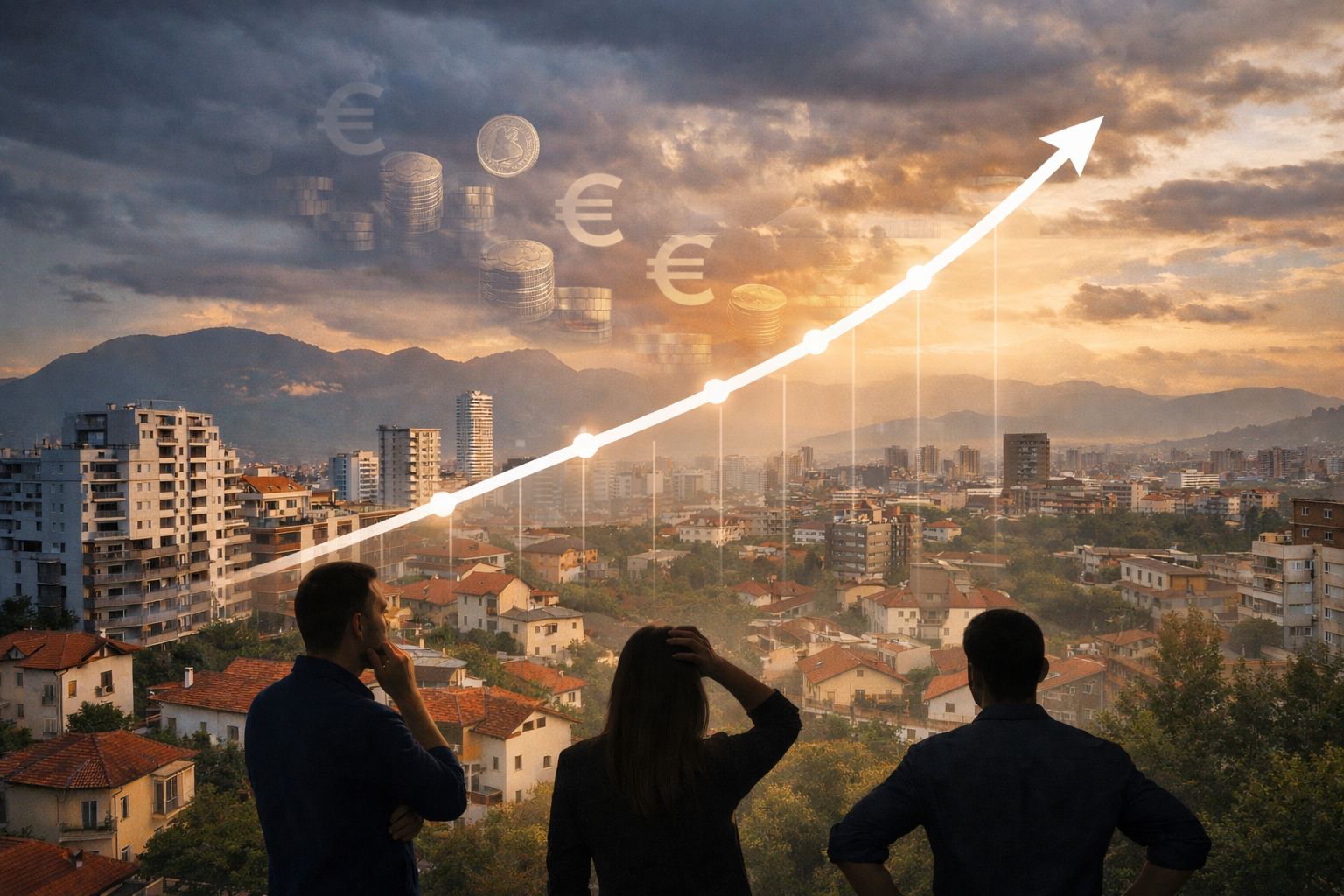
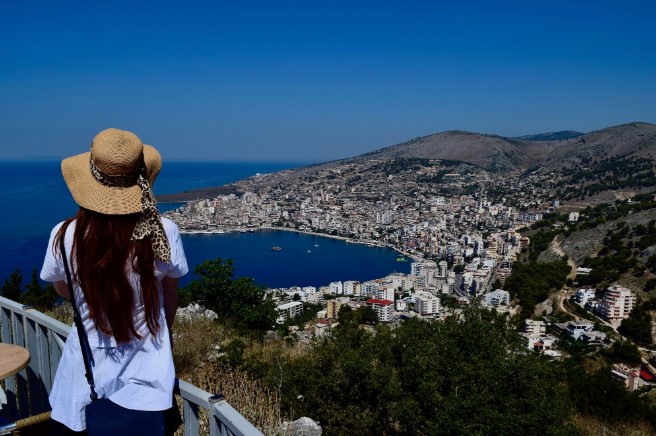
Albania has broken a historic tourism record for 2025, with over 12 million foreign visitors who visited the country during the year. This is the highest figure ever recorded and represents an increase compared to the previous year. This achievement not only positions the country as a year-round tourist destination but also brings visible impacts on the national economy and, in particular, on the real estate market.
One of the clearest effects of this large influx of tourists is the increased demand for accommodation, especially in coastal areas and major urban centers such as Tirana, Durrës, Vlora, and Saranda. According to experts, a significant portion of residential properties is being converted into short-term tourist rentals through platforms such as Airbnb, reducing the supply of long-term rental housing for local residents and pushing rental prices upward. This phenomenon is further complicating the rental market situation.
This growing demand is also affecting property prices in tourist areas and their surroundings. Both foreign and domestic investors are identifying profit opportunities in new construction and renovation projects, making the real estate market more attractive than before. For example, investments in coastal developments and residential complexes, such as modern projects in Vlora, are increasing land and property values in the area, triggering a new cycle of investments.
However, this dynamic also presents challenges for local residents and housing affordability. Rental and purchase prices continue to rise, making housing more expensive for locals, especially in areas most sought after by tourists. Moreover, the limited supply of long-term rentals has contributed to higher living costs, making it increasingly difficult for many residents to find affordable housing. These challenges highlight the need for policies that support local communities and create a balance between tourism development and housing market demands.