 AL
AL
 EN
EN
 IT
IT
 ES
ES
 DE
DE
 RU
RU
 EL
EL
 PL
PL
 CS
CS

 Informacion
According to a recent report, inflation in Albania reached 2.3% year-on-year in January 2026, marking an acceleration compared to 1.9% in January a year earlier. Data published by INSTAT show that although the increase remains moderate, certain specific categories in the consumer basket are exerting continuous pressure on prices. At the top of the list are rents, which are becoming a key driver of the cost of living.
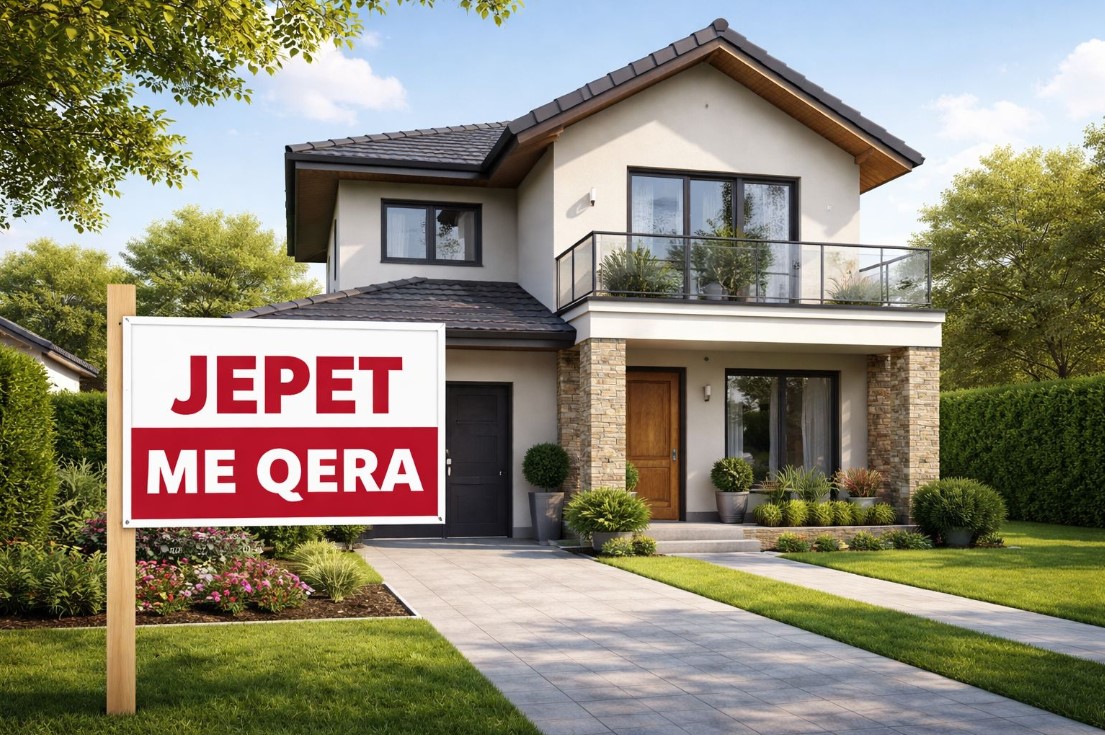
The rental market has been one of the main engines “keeping inflation alive.” Rising rental prices are linked to strong demand, property investments for profit purposes, and the shift of many apartments toward short-term rentals. This has reduced the supply of long-term rental housing and increased competition among families and young people seeking accommodation, leading to higher prices, especially in urban areas.
The phenomenon is felt most strongly in cities such as Tirana, where housing demand remains high due to internal migration, economic development, and tourism growth. In practice, this means that a significant portion of household monthly income goes toward housing, limiting room for other expenses such as savings or consumption. For many young people and newly formed couples, finding an affordable apartment has become increasingly challenging.
Beyond rents, other categories have also recorded increases. Entertainment, sports, and culture rose by 4.9%, insurance and financial services by 4.4%, alcoholic beverages and tobacco by 2.7%, and food and non-alcoholic beverages by 1.8%. Although there were seasonal declines in clothing and footwear, they were not enough to offset the overall upward pressure. These movements show that inflation is no longer just a statistical issue, but a reality that directly affects everyday life.
At its core, rising rents are becoming a structural element of inflation in the country. As long as housing demand remains high and supply limited, pressure on prices is expected to continue. For ordinary readers, this translates into a very concrete question: how to better manage the household budget at a time when housing is becoming increasingly expensive? Inflation may be measured in percentages, but its impact is felt in every monthly rent payment.

