 Informacion
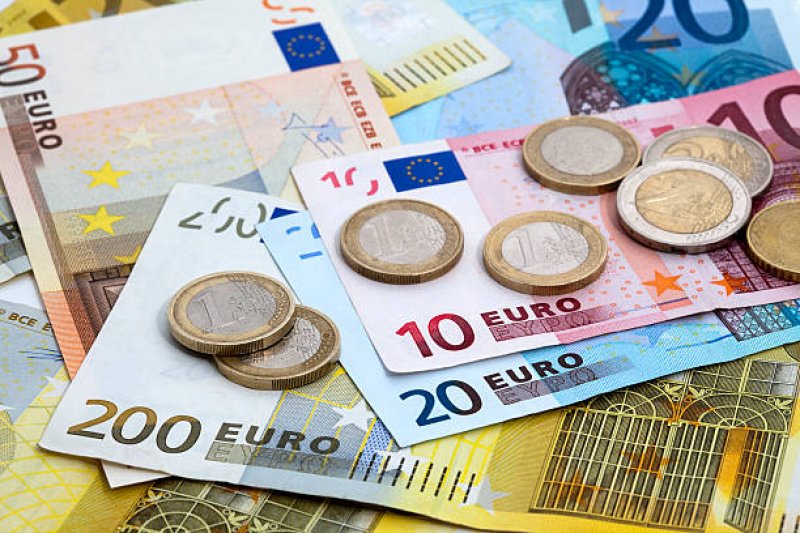
The historic decline of the euro against the Albanian lek is creating an interesting perception in Albania’s real estate market. Today, the European currency has dropped to around 95.3 lek, the lowest level ever recorded in the official exchange rate. Compared to a few years ago, when the euro traded above 140 lek, the difference is significant and is directly affecting household finances, investments, and the apartment market. At first glance, many citizens believe apartment prices have risen dramatically in recent years, but when the analysis takes into account the depreciation of the euro and the strengthening of the lek, the real increase appears far more moderate than it seems. In 2018, the exchange rate fluctuated around 132–134 lek for 1 euro. Today, the euro trades at around 95 lek. This means the European currency has lost approximately 28–30% of its value against the lek over the past 7–8 years. To better understand the impact on the apartment market, we can take a concrete example: In 2018, an apartment in Tirana could cost around 100,000 euros. At the exchange rate of that time, this translated into approximately 13.3 million lek. Today, the same apartment may be sold for around 150,000 euros. At first glance, it seems the price has increased by 50%. However, with the current exchange rate of around 95 lek per euro, the real value in lek amounts to around 14.2 million lek. So: In euros: the increase appears to be +50% In lek: the real increase is only around +7% to +10% This shows that a large part of the “price increase” is actually the effect of the euro’s depreciation and not only a real increase in property value. In some premium areas of Tirana and along the Albanian coast, prices have genuinely increased due to high demand, tourism, and foreign investments. However, in a large part of the residential market, the difference is not as extreme as it appears when looking only at euro prices. The strengthening of the lek has created a situation where: citizens paid in lek have greater purchasing power for properties listed in euros; euro-based mortgages have become relatively easier to manage; while investors holding savings in euros are seeing a reduction in their real purchasing power in the domestic market. From a broader perspective, the increase in apartment prices in Albania cannot be analyzed simply by looking at figures in euros. When the strong depreciation of the euro over recent years is taken into account, it becomes clear that the real increase in many property prices has been significantly lower, and in some cases the real difference in lek is minimal compared to public perception.
 AL
AL
 EN
EN
 IT
IT
 ES
ES
 DE
DE
 RU
RU
 EL
EL
 PL
PL
 CS
CS
