AL
AL
 EN
EN
 IT
IT
 ES
ES
 DE
DE
 RU
RU
 EL
EL
 PL
PL
 CS
CS
 Home Decor
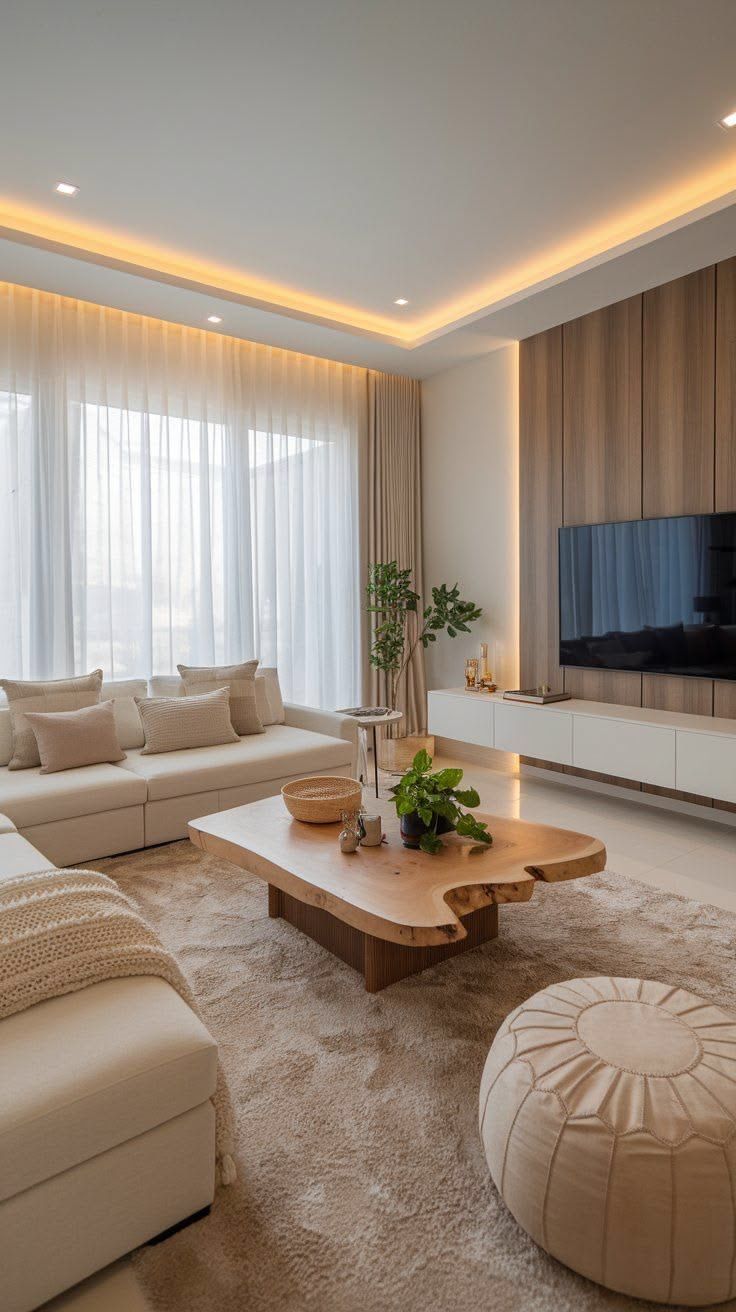
The Albanian interior design market is evolving rapidly, reflecting an interesting blend of European influences and local style. While a few years ago cold minimalism and “sterile” spaces dominated, today Albanian consumers are seeking warmer, more personal, and more functional environments. A home is no longer seen simply as a place to live, but as a space that reflects lifestyle and individual identity. One of the styles currently dominating the market is warm minimalism, which maintains visual clarity while incorporating natural elements and soft tones such as beige, brown, and earthy colors. This style is particularly suitable for urban apartments in Albania, where space is often limited and a balance between aesthetics and comfort is essential. It creates a sense of calm and elegance without requiring high investment. At the same time, interest in nature-inspired design is growing significantly. Plants, natural light, and organic materials are becoming essential elements of modern interiors. This trend reflects people’s need for more tranquility and a stronger connection with nature, especially in cities like Tirana where the pace of life is increasingly fast. This approach is also widely used in businesses such as cafés, restaurants, and tourist spaces. On the other hand, some consumers are moving away from extreme simplicity and experimenting with bolder styles. Strong colors, rich textures, and decorative elements are making a comeback in the form of “controlled maximalism,” where every detail has a purpose. This style is often seen in social spaces and trendy venues, aiming to create a stronger visual experience. Another growing trend is the use of vintage and artisanal elements. Restored furniture, objects with history, and handmade items are increasingly valued not only for their aesthetics but also for the authenticity they bring. In Albania, this is a particular advantage, as the country has a rich artisanal tradition that can easily be integrated into modern design. Overall, there is a clear shift toward warmer, more livable, and more personalized spaces. Completely white and characterless interiors are losing ground, while a more human and creative approach to design is gaining popularity. For the Albanian market, this means that success no longer lies in blindly following trends, but in adapting them to local lifestyle and culture. Ultimately, interior design in Albania is entering a more mature phase, where it’s not just about how a space looks, but also how it feels. This is precisely why the styles that “sell” the most today are those that create an emotional connection with people.