 AL
AL
 EN
EN
 IT
IT
 ES
ES
 DE
DE
 RU
RU
 EL
EL
 PL
PL
 CS
CS
 Informacion
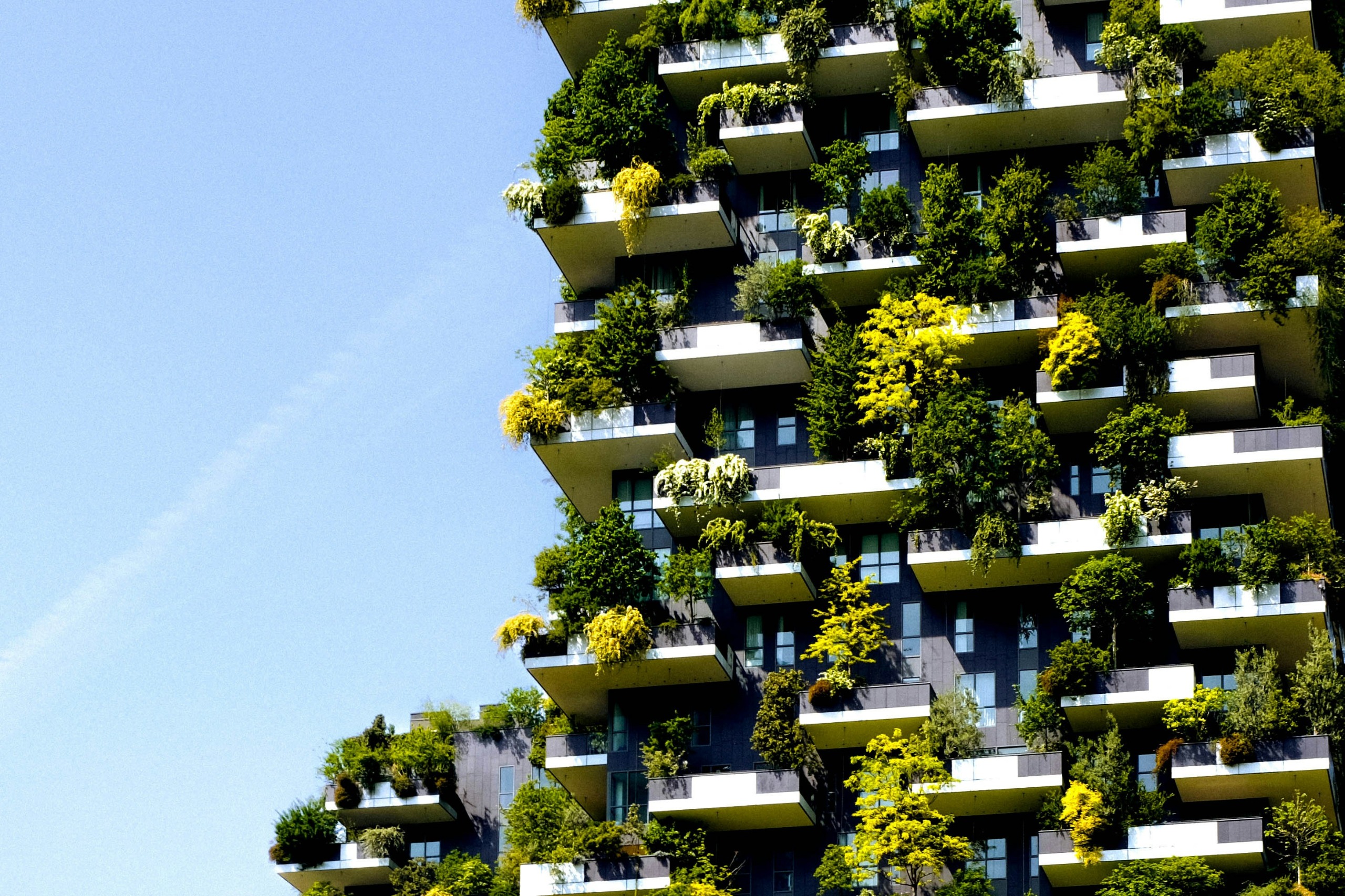
Across Europe, the way real estate is valued is undergoing a fundamental shift. What was once considered simply “location and price” is now being replaced by a new standard: ESG, an approach that measures the environmental and social impact of a project. This transformation is not just theoretical. It is driven by concrete policies of the European Union, aimed at significantly reducing carbon emissions. According to official data, buildings account for around 40% of total energy consumption and 36% of CO₂ emissions in the EU. This places them at the center of climate reforms. Why are old buildings losing value? In developed markets such as Germany, France, and the Netherlands, a new phenomenon is becoming increasingly evident: the decline in value of old, inefficient buildings. The reasons are clear: High renovation costs to meet new energy standards Taxes and penalties for high emissions Lack of interest from institutional investors, who now demand ESG-compliant portfolios In this context, buildings that fail to adapt risk becoming “stranded assets.” Albania: a hidden advantage Unlike Western Europe, Albania does not have a massive stock of old buildings that require transformation. On the contrary, the market is dominated by new developments—an often overlooked strategic advantage. This creates a rare opportunity: new projects built according to ESG standards. Instead of spending billions on renovations, Albania can: Integrate energy efficiency from the start Use sustainable materials Design buildings with minimal energy consumption What are investors looking for today? International investors are no longer seeking only financial returns. They are looking for: Certifications such as BREEAM or LEED Transparency in energy consumption Projects aligned with the goals of the Paris Agreement This means that ESG-driven projects in Albania can: Attract cheaper capital Be sold at higher prices Have greater market liquidity From challenge to opportunity Of course, challenges exist: Higher upfront costs for quality construction Lack of technical expertise in the market A regulatory framework still under development But these are temporary. In the long term, ESG is not a cost—it is a competitive advantage. Albania stands at a turning point. While developed countries are trying to fix the past, Albania has the luxury to build the future. If developers, institutions, and investors act with vision, the country can position itself as: A modern and sustainable market An attractive destination for international capital A regional example of smart development ESG is not a passing trend. It is a structural transformation in how we build and live. And for Albania, this may be the first time that being “behind” can turn into an advantage. Because this time, building from scratch… means building better.

